


Stem Cell Therapy
Stem cell therapy is a groundbreaking medical treatment that holds the potential to revolutionize the healthcare industry. Using the body’s own cells, this therapy aims to repair or replace damaged tissues and organs. In Berlin, stem cell therapy is gaining significant attention for its promising results and advanced research facilities. Stem cell therapy is revolutionizing modern medicine, offering hope for treating chronic diseases, injuries, and degenerative conditions. Berlin, Germany, has emerged as a leading destination for cutting-edge stem cell treatments, thanks to its advanced medical infrastructure, strict regulatory standards, and world-class research institutions.
In this blog, we will explore:
- The science behind stem cell therapy
Types of stem cell treatments available in Berlin
Top clinics and specialists
Costs and insurance coverage
Success rates and patient testimonials
Legal and ethical considerations
Stem Cell Therapy Categories
Stem cell therapy uses the unique ability of stem cells to regenerate and repair damaged tissues. Two main categories:
Hematopoietic stem cells (HSCs): Often used in bone marrow transplants for blood disorders and cancers. An example: the first “Berlin Patient” HIV cure via CCR5-mutated HSC transplant.
Mesenchymal or pluripotent stem cells (iPSCs): Employed in trials for orthopedics, cardiac repair, neurological diseases, diabetes, and others.
Advancements in Stem Cell Treatment
Berlin has emerged as a hub for stem cell therapy, with numerous clinics and research institutions specializing in this field. The advancements in stem cell research have opened new avenues for treating chronic diseases and injuries. Conditions like spinal cord injuries, Parkinson’s disease, and multiple sclerosis are being addressed through innovative therapies developed in Berlin.
Berlin’s Pioneering Research Institutions
Max Delbrück Center (MDC)
A leader in stem cell innovation, notably developing vascularized islet organoids from iPSCs—offering a promising avenue for type‑1 diabetes therapy.
Integrates basic research with clinical translation in tandem with Berlin Institute of Health.
Max Planck Institute for Molecular Genetics
Boasts a “Stem Cell Chromatin Group” and human neural stem-cell labs, advancing understanding of gene regulation in stem cells.
German Society for Stem Cell Research (GSZ)
Since 2003, GSZ fosters collaboration, education, and funding in stem cell biology across Germany.
Choosing the Right Clinic
When considering stem cell therapy in Berlin, it is crucial to choose a reputable clinic. Look for institutions with certified professionals and a strong record of successful treatments. It’s advisable to consult with medical experts who can provide insight into your specific condition and discuss the best therapeutic options available. With the right support and information, patients can fully understand the benefits and limitations of stem cell therapy
Planning Treatment in Berlin – A Step-by-Step
Consult clinical specialists at centers like Charité or Helios.
Undergo diagnostic evaluation—imaging, blood work, and functional assessments.
Participate in clinical trials, if eligible (orthopedic, neuro, cardiac).
Regulatory approval and ethical review precede therapies.
Receive treatment & follow-up, including imaging and functional tests.
Costs can range widely—e.g., multimodal therapies via clinics such as Helios can cost tens of thousands €, while trial participation may reduce or waive fees.
Leading Clinical Centers in Berlin
Charité – Universitätsmedizin Berlin
EUROPE’s largest university hospital, hosting the Berlin Center for Gene and Cell Therapies, a collaboration with Bayer aimed at clinical translation of advanced cell/gene therapies
Home to the transplant team behind both Berlin Patient HIV cures, including recent cases using one CCR5-mutant allele donor—expanding donor options.
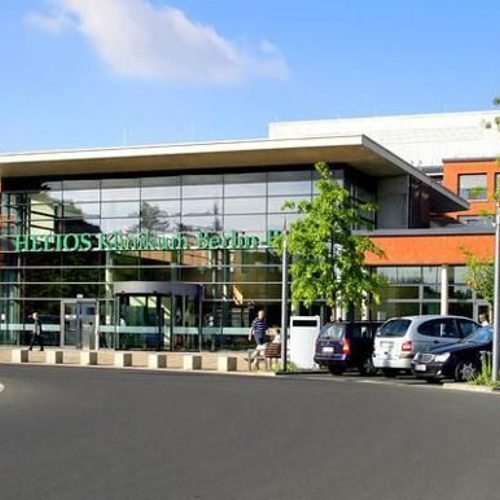
Helios Berlin-Buch
A multidisciplinary complex offering clinical-grade stem cell procedures, particularly in orthopedics, neurology, oncology, and cardiology.
Regulatory & Ethical Landscape
Germany has strict laws prohibiting embryonic stem cell research . Clinical work focuses on:
Adult stem cells
iPSCs
Somatic cell derivatives
Oversight is managed by the Federal Institute for Drugs and Medical Devices (BfArM) and Paul-Ehrlich-Institute, ensuring safety and ethical integrity.
Clinical Applications & Trials
Orthopedics
MSC injections used to treat joint degeneration and sports injuries are regularly offered across Berlin’s advanced clinics.
Neurological Disorders
Experimental interventions for Parkinson’s and Multiple Sclerosis are currently in early-phase trials, aiming for symptom relief or slowed progression .
Diabetes
Vascularized islet organoids created by MDC researchers show promising results in preclinical diabetic models.
Germany is a pioneer in applying regenerative strategies to heart disease, with early-stage trials using stem cells to restore myocardium post-infarction .
Landmark HIV Case: The “Berlin Patients”
2007 “Berlin Patient”: CBC transplant with donor homozygous for CCR5‑Δ32 mutation led to HIV cure.
2024 case: A German man is now the seventh known cured of HIV, after receiving donor cells with one CCR5‑Δ32 allele, challenging previous assumptions and widening therapeutic possibilities.
However, due to toxicity and risk, HSC transplants aren’t feasible broadly—research continues in gene therapy and “shock-and-kill” methods.
Conferences & Collaboration
Berlin frequently hosts major stem cell events:
World Congress on Regenerative Medicine and Stem Cell Research (Berlin, Mar 2025).
The German/Society-led symposiums (e.g., Heidelberg SCC) reinforce Berlin’s role in organizing pan-German and European research forums .
Future Perspectives & Challenges
Bridging translation gaps: Initiatives like the Bayer‑Charité center aim to advance lab findings into patient-ready therapies.
Scaling and quality control: As per 2025 global market trends (~ US $13.6 bn ), mass production, reproducibility, standardization, and safety are emerging challenges.
Ethics and public trust: Germany continues to lead with careful regulatory oversight and transparent clinical practices.
Cost of Stem Cell Therapy in Berlin
Prices vary depending on the treatment type:
Orthopedic treatments (knee/hip regeneration): €5,000 – €15,000
Neurological treatments (MS, stroke recovery): €10,000 – €25,000
Anti-aging & cosmetic applications: €3,000 – €10,000
Note: Most health insurance plans in Germany do not cover experimental stem cell therapies unless part of an approved clinical trial.
Success Rates & Patient Testimonials
Orthopedic Success: Many patients report reduced pain and improved mobility after stem cell injections for joint conditions.
Neurological Improvements: Some MS and stroke patients experience enhanced motor function.
Cancer Remission: Allogeneic stem cell transplants show high success rates for blood cancers.
Patient Story:
“After years of knee pain, I underwent stem cell therapy at a Berlin clinic. Within months, my mobility improved, and I avoided surgery!” – Klaus, 58
Legal & Ethical Considerations
Germany has strict regulations on stem cell use:
Only adult stem cells (no embryonic stem cells) are permitted for most therapies.
Treatments must comply with the German Stem Cell Act and EU regulations.
Clinics must be approved by the Paul-Ehrlich-Institut (PEI).
Conclusion
Berlin is at the forefront of stem cell research and therapy, offering innovative treatments for a range of conditions. While costs can be high and insurance coverage limited, the potential benefits make it an attractive option for many patients worldwide.
Before choosing a clinic, always:
Verify credentials and success rates
Consult with a specialist
Understand the risks and realistic outcomes
FAQ’S
How much does stem cell therapy in Germany cost?
| Condition / Treatment | Estimated Cost (€) | Details / Notes |
|---|---|---|
| Joint pain / Orthopedic | €6,500 – €10,500 | Includes knee, hip, spine issues; often uses MSC or BMC |
| Single BMC session | €5,000 – €10,000 | Bone marrow concentrate; +PRP adds €2,000 – €3,000 |
| Autism spectrum disorder | €14,000 – €25,000 | Multi-session; includes diagnostics, post-treatment support |
| Neurological (MS, Alzheimer’s, optic nerve, etc.) | €21,900 – €22,900 | Advanced packages; often done at specialized clinics in Frankfurt |
| Knee Osteoarthritis (full therapy) | ~€13,500+ | Mesenchymal stem cell therapy; may include imaging & rehab |
| Kidney Failure (Chronic) | €20,000 – €50,000+ | Complex and ongoing treatment protocols |
| General range (all conditions) | €8,000 – €30,000 | Depends on cell type (autologous vs donor), clinic, and number of sessions |
| High-end or advanced cancer/rare disease therapy | €50,000 – €100,000+ | Includes full transplant-type procedures, less common in Germany due to regulation |
Which country is best for stem cell therapy?
Best By Category
| Category | Best Country | Why |
|---|---|---|
| Regulatory Safety & Quality | 🇩🇪 Germany / 🇺🇸 USA | Highly regulated, evidence-based, clean facilities |
| Experimental Access | 🇯🇵 Japan / 🇲🇽 Mexico | Easier approval for newer therapies (iPSC, allogeneic, etc.) |
| Affordability | 🇲🇽 Mexico / 🇨🇷 Costa Rica | High-quality care at 30–60% of US/EU costs |
| Biotech Innovation | 🇯🇵 Japan / 🇰🇷 Korea | Leaders in stem cell R&D (e.g., iPSCs, neural stem cells) |
| Orthopedic Conditions | 🇩🇪 Germany / 🇹🇭 Thailand | Proven success rates, especially with MSC or BMC |
| Neurological Conditions | 🇰🇷 Korea / 🇯🇵 Japan | Advanced research in MS, stroke recovery, Parkinson’s, etc. |
Does Germany do stem cell therapy?
Stem Cell Therapy in Germany: Key Facts
| Aspect | Details |
|---|---|
| Is it available? | Yes, but limited to approved conditions and therapies |
| Stem cell types allowed | Autologous (from the patient’s own body: fat, bone marrow) Embryonic stem cells are banned |
| Conditions treated | Orthopedic issues (knee, hip, spine), neurological conditions (MS, Parkinson’s), arthritis, sports injuries |
| Not permitted | Therapies involving embryonic, fetal, or unapproved allogeneic stem cells |
| Approval needed | Therapies must be approved by Paul-Ehrlich-Institut (PEI) and follow EU/German laws |
| Common methods | Bone Marrow Concentrate (BMC), Stromal Vascular Fraction (SVF), MSCs (autologous) |
| Clinics & cities | Available in Frankfurt, Munich, Düsseldorf, Berlin, and other major cities |